
Origins · October 10, 2026
Cacao in Mexico: a sacred seed
Long before it was a bar, cacao was a ceremony. A look at the roots we grow from.
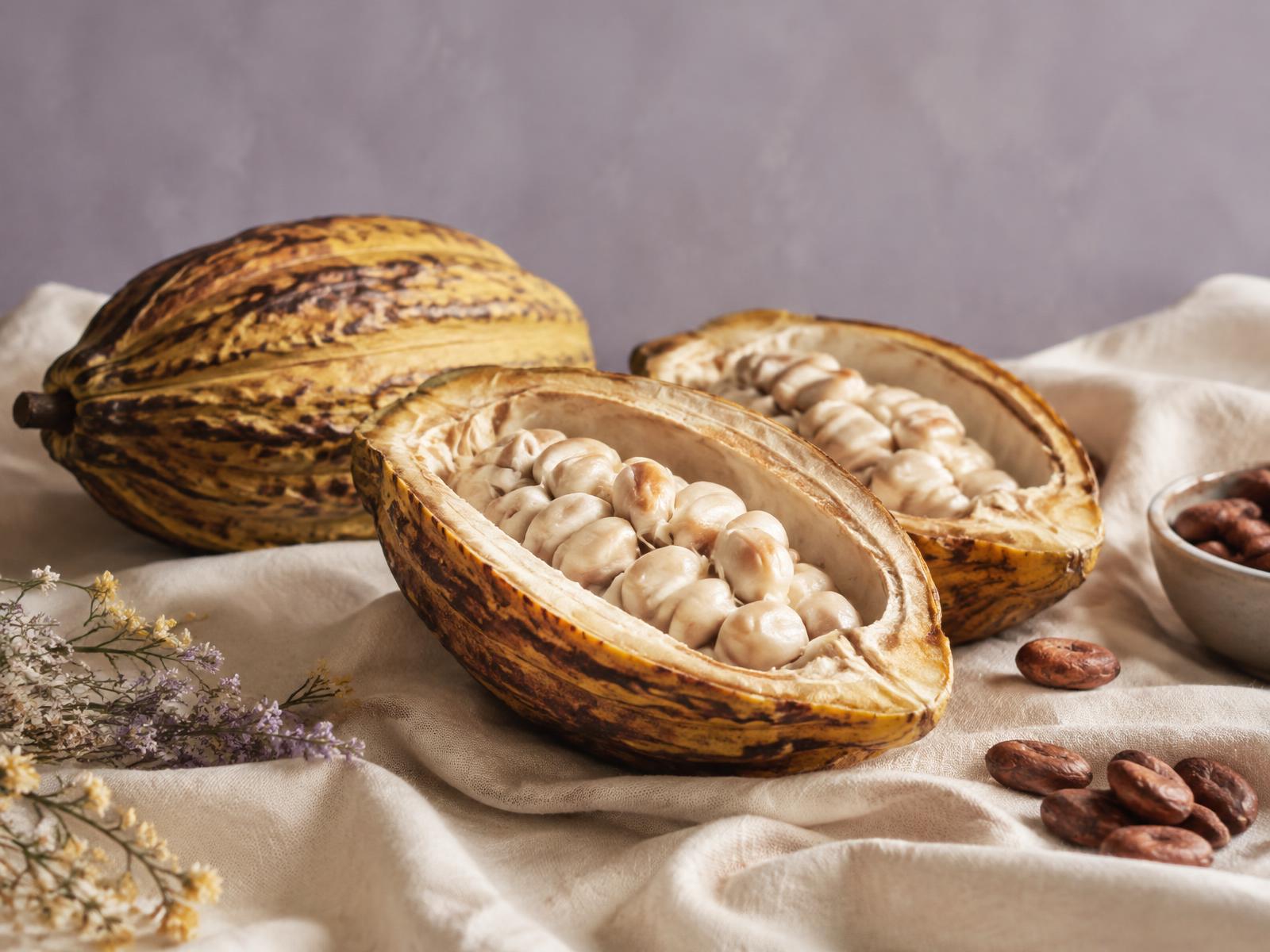
Before chocolate became something to unwrap, cacao was something to prepare, share and value. Across Mesoamerica, different communities gave this seed a place in daily life, trade and ceremonial occasions. Its history is not a single story, but a constellation of traditions — one that continues to shape how we understand chocolate today.
Maya and Mexica communities prepared cacao-based drinks in different ways, sometimes incorporating maize, spices or other ingredients. Froth could be an important part of the preparation, and cacao beans also served as a medium of exchange in some contexts. These uses remind us that cacao's significance extended beyond sweetness: it could express hospitality, status, exchange and connection.
It is worth resisting the temptation to turn this history into one romantic image. Customs varied across places and periods, and Indigenous cultures are living cultures, not a decorative chapter in chocolate's past. Appreciating cacao's roots means approaching them with curiosity and respect, rather than claiming that a contemporary bar recreates an ancestral practice.
The seed itself offers another kind of story. Cacao grows inside pods; after harvesting, fermentation and drying help develop the foundations of chocolate flavor. The variety of cacao, its growing conditions and the choices made along the way all influence the result. What eventually tastes fruity, nutty, bitter or earthy begins well before a bar takes shape.
ATMAN is rooted in the Mexican Caribbean. Our starting point is chocolate itself: its richness, its texture, and the pleasure of taking a moment to enjoy it. From that foundation, we explore cacao, mushrooms and adaptogens with curiosity and care. This is a contemporary expression of something familiar, not a claim to speak for the many cultures that came before us.
One way to meet chocolate more attentively is to notice it before judging it. Look at its color, take in its aroma, and allow the flavor to unfold rather than rushing to name it. Sweetness may arrive first, followed by bitterness or a lingering roasted note. There is no correct vocabulary; even noticing a change in texture is a way of paying attention. With products containing active ingredients, any tasting must remain within the verified serving guidance — flavor is never a reason to consume more.
The people behind cacao deserve that same attention. Growers, harvesters and chocolate makers contribute knowledge and labor that a wrapper cannot fully describe. Asking where ingredients come from and how they are handled is more meaningful than relying on words such as 'authentic' or 'sacred' alone. Specific sourcing claims should always be supported by actual information.
For us, remembering cacao's roots is an invitation to slow down. A bar can be playful and beautifully designed while still making room for the larger history around it. The pleasure is in the chocolate; the depth comes from recognizing that this small, familiar object belongs to a much longer conversation.
Start low, go slow
Adults 18+ only. Always check your local laws and follow the recommended serving size.
Keep reading
Origins · Oct 2, 2026
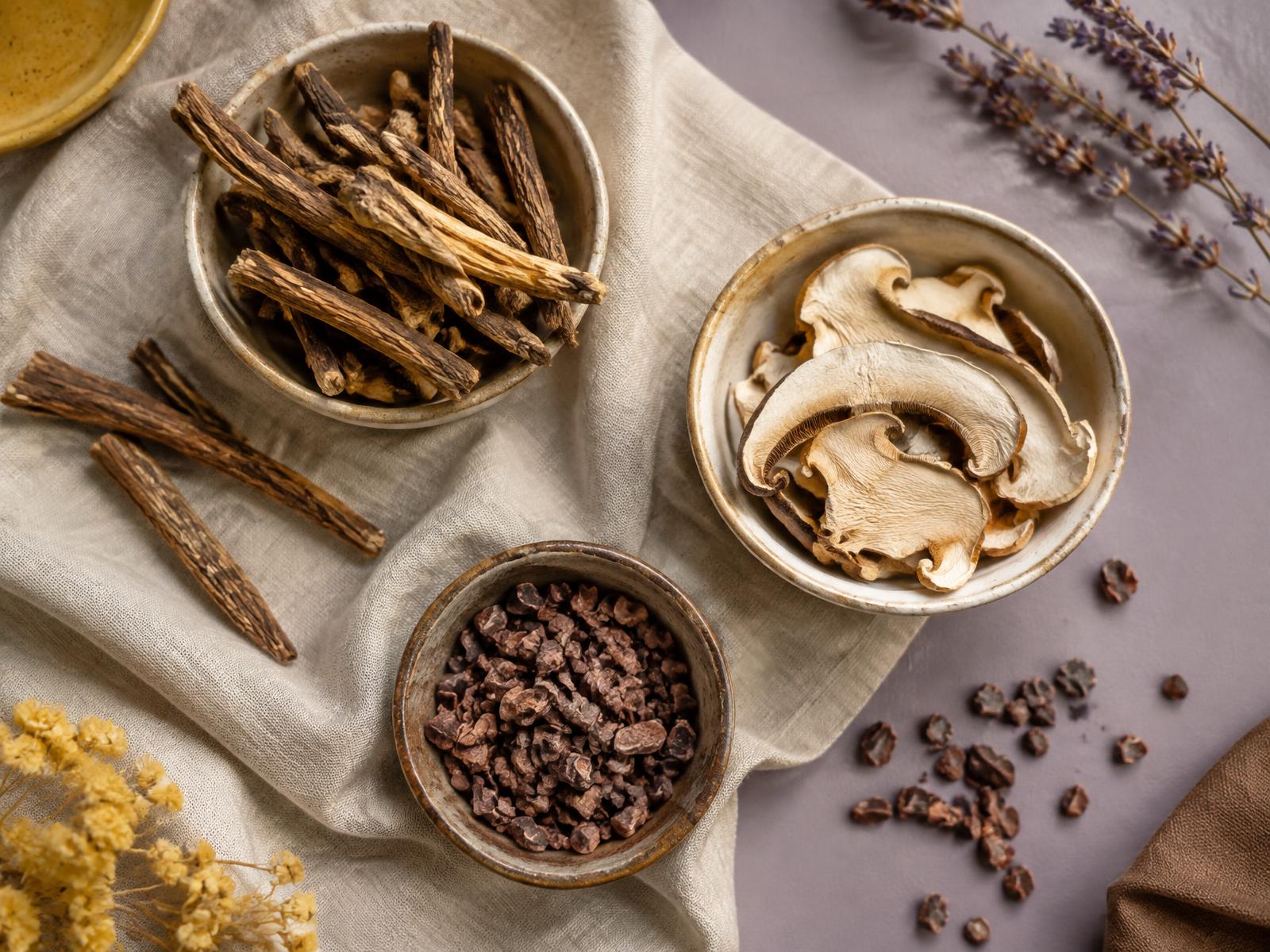
Adaptogens, gently explained
What these mushrooms and plants actually are, and why we pair them with cacao.
Read →
Rituals · Sep 24, 2026
Start low, go slow
Our golden rule for mindful consumption — and how to build your own rhythm.
Read →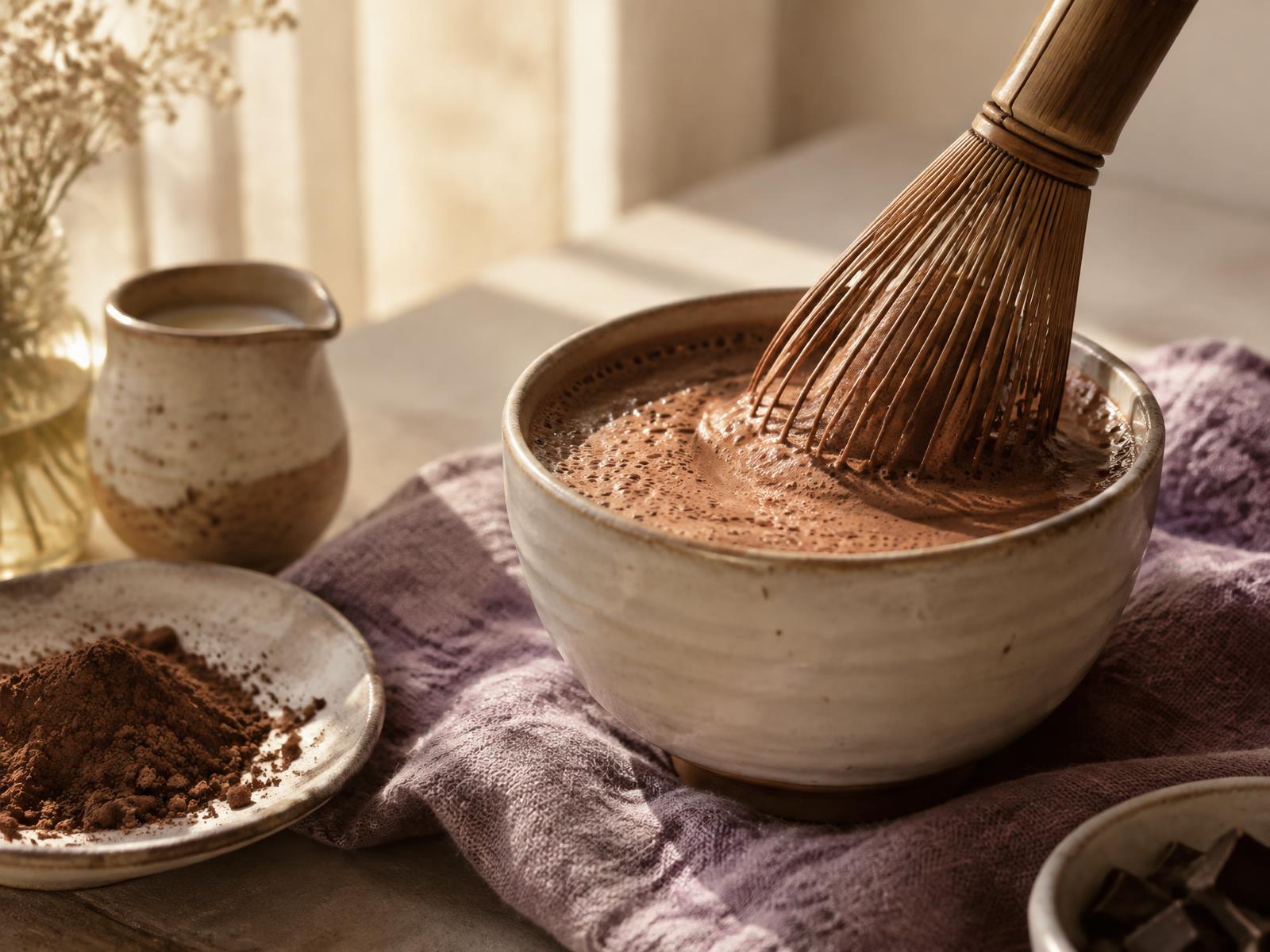
Rituals · Sep 15, 2026
A morning ritual with MICRO
Five quiet minutes, a thoughtful pause, and a morning shaped by intention rather than promises.
Read →