
Craft · September 5, 2026
From pod to bar: our craft
Fermentation, roasting, conching — the quiet alchemy inside every Atman bar.
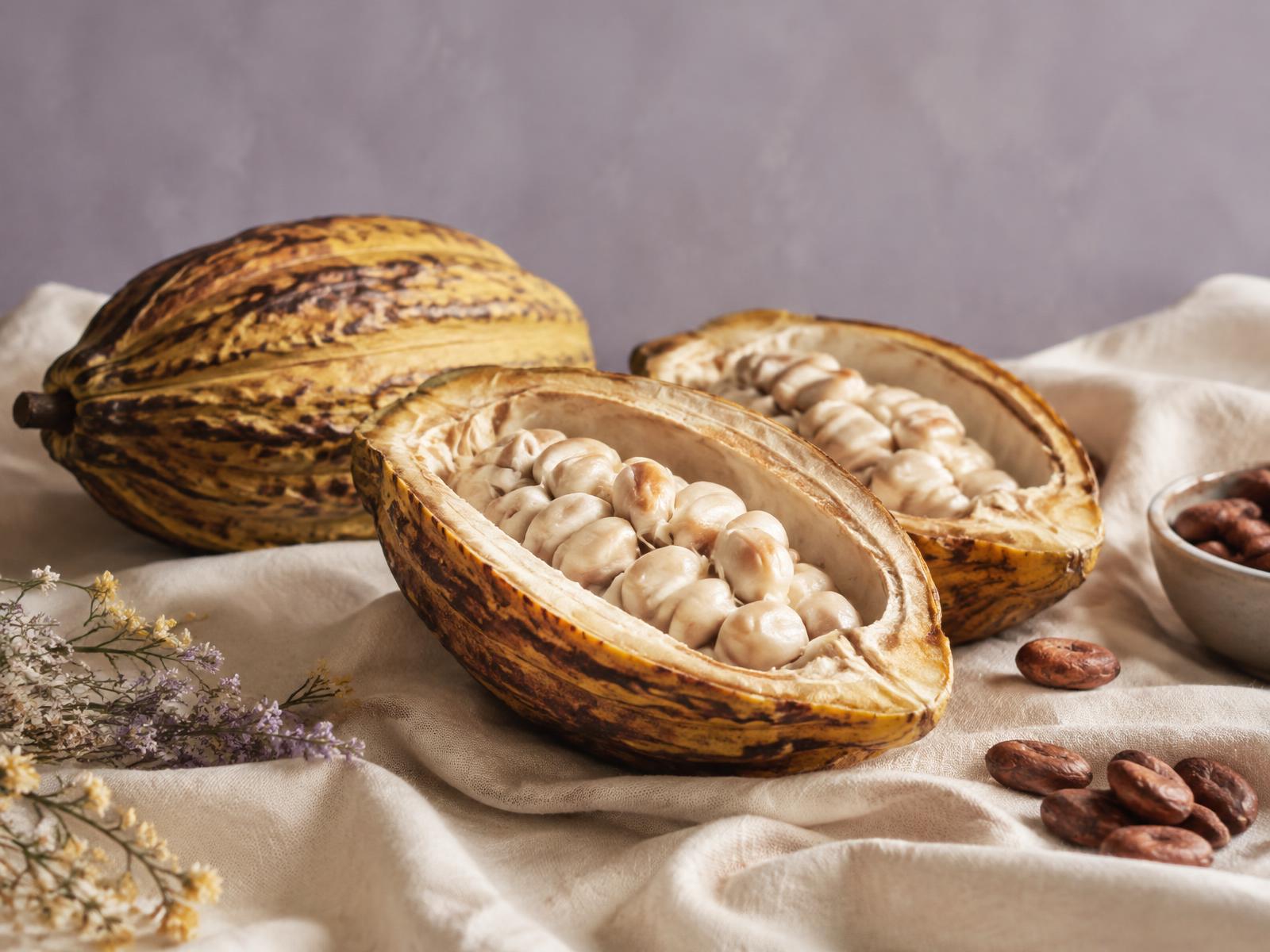
Chocolate begins long before it becomes smooth. Inside a cacao pod, seeds sit surrounded by pulp; between that starting point and a finished bar is a sequence of choices that shapes aroma, texture and flavor. Understanding those stages makes chocolate easier to appreciate — not as a single ingredient, but as the result of many connected decisions.
After the pod is opened, fermentation is an important step in developing chocolate's flavor potential. Microbial activity and changes within the seeds create the conditions for aromas that develop further during processing. Fermentation is not simply a matter of waiting: its management influences the character of the cacao, and approaches vary among producers.
Drying follows, reducing moisture so the cacao can be stored and handled appropriately. It also affects quality. Even before roasting begins, growing conditions, harvesting, fermentation and drying have contributed to the possibilities inside the beans. This is why craft cannot be reduced to the final machinery or the appearance of a wrapper.
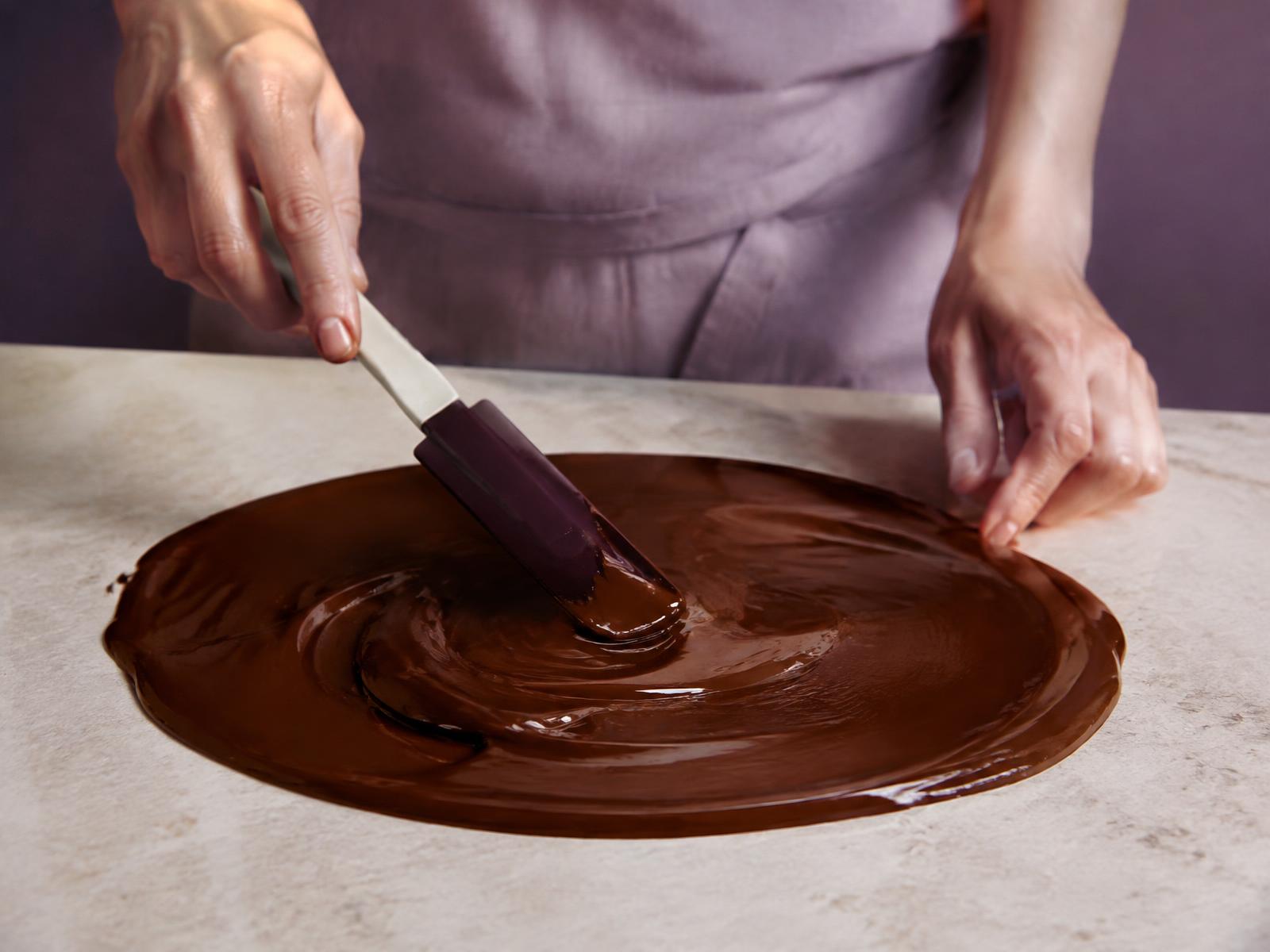
Roasting develops flavor and aroma, with time and temperature influencing the balance of notes. After shell removal, the remaining nibs can be ground into cacao mass. The cacao's own fat, cocoa butter, helps turn the ground material into a flowing mixture. Depending on the recipe, other ingredients are incorporated to build the chocolate's sweetness, texture and character.
Refining reduces particle size; conching involves mixing and working the chocolate to develop its sensory qualities. These are related parts of production, but not identical processes. Longer is not automatically better: the desired result depends on the ingredients, equipment and recipe. A silky texture is the outcome of suitable choices, not a single number of hours.
Tempering encourages cocoa butter to form a suitable crystal structure, helping a finished bar achieve a pleasing snap and surface. Storage matters afterward, too. Heat and temperature changes can affect appearance and texture. Follow the product's storage instructions, keep the original labeling with it, and take particular care to separate active-ingredient chocolate from ordinary sweets.
ATMAN's first collection brings three bars into this conversation: MICRO, MAGIC and MYSTIC. Their butter-yellow, lavender and eggplant identities express distinct moods, while the common thread remains the pleasure of chocolate. Our approach is to explore cacao, mushrooms and adaptogens with care, and to make the experience feel considered from the first impression to the last piece.
This is an overview of chocolate-making, not a claim that every producer follows an identical method or that a specific processing detail has been verified for our bars. Ingredient transparency and reliable serving information matter as much as sensory language. Especially with active ingredients, a beautiful bar should never ask someone to guess what it contains.
When you next look at chocolate, consider how much has happened before that moment: growing, handling, developing flavor, shaping texture and protecting the finished product. That is the quiet richness of craft. Design invites you in; an understanding of the chocolate gives you something deeper to notice once you are there.
Start low, go slow
Adults 18+ only. Always check your local laws and follow the recommended serving size.
Keep reading
Origins · Oct 10, 2026
Cacao in Mexico: a sacred seed
Long before it was a bar, cacao was a ceremony. A look at the roots we grow from.
Read →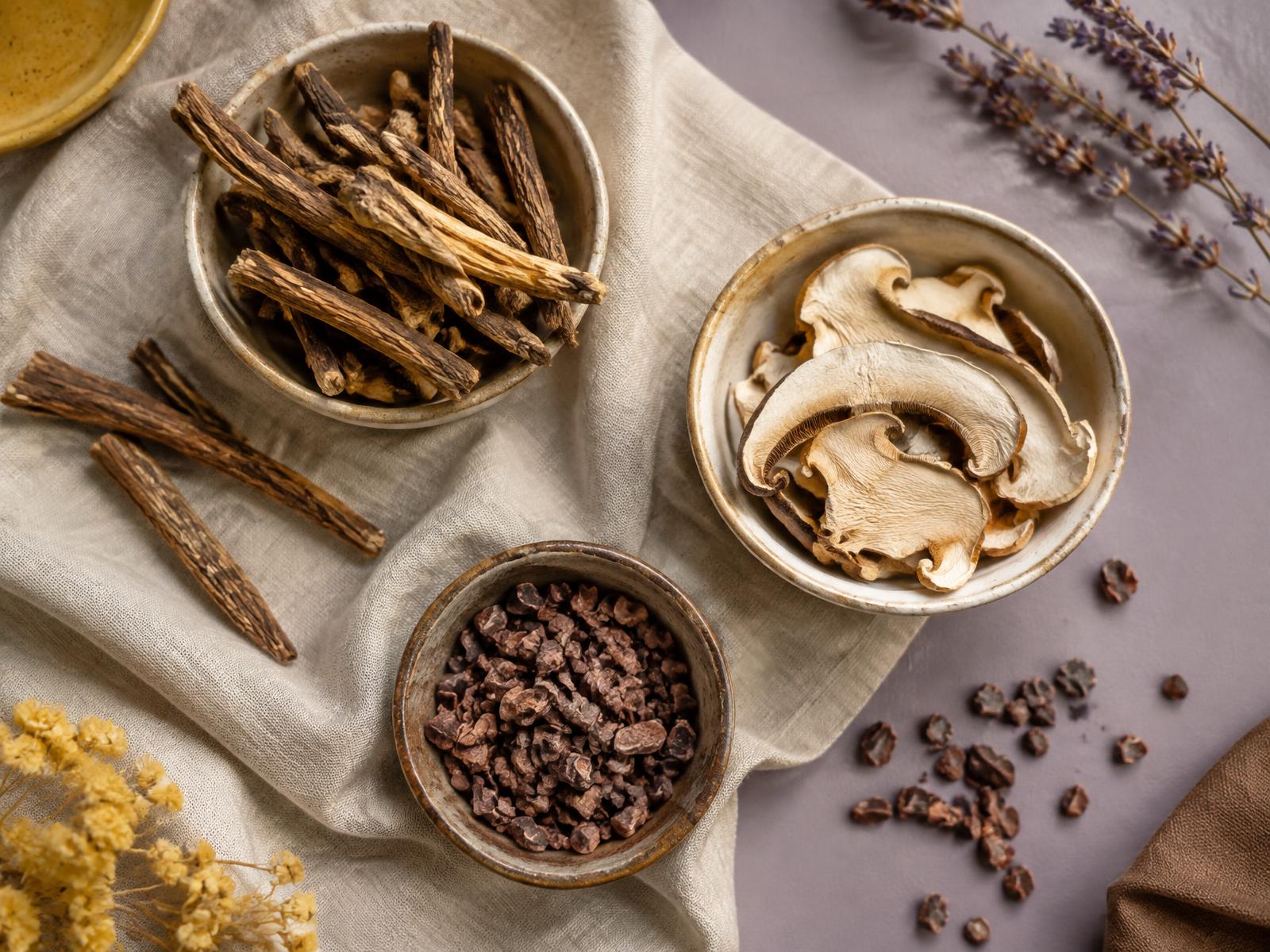
Origins · Oct 2, 2026
Adaptogens, gently explained
What these mushrooms and plants actually are, and why we pair them with cacao.
Read →
Rituals · Sep 24, 2026
Start low, go slow
Our golden rule for mindful consumption — and how to build your own rhythm.
Read →